
You’re dedicated. You hit the gym consistently, you alternate between cardio sessions and lifting weights, and you’ve even ditched those notorious late-night junk food cravings. Yet, the number on the scale remains stubbornly the same. It’s frustrating, disheartening, and makes you wonder: What exactly is going wrong?
If you find yourself in this common scenario—putting in the effort but seeing no results—you’re likely encountering hidden metabolic or lifestyle roadblocks. While consistency matters, working smart is more crucial than working hard. This article breaks down the science behind why the simple "exercise equals weight loss" equation often fails and gives you the evidence-based strategies needed to finally smash through that weight loss plateau..
1. Calorie Consumption Outpaces Calorie Burn

The core principle of weight loss is achieving a calorie deficit. It feels intuitive that an hour on the treadmill should erase the calories from a meal, but the reality is: burning calories is metabolically intensive, while consuming them is incredibly easy. Even if you dedicate significant time at the gym, if you don't adjust your eating habits, you might unknowingly consume enough calories to negate your entire workout effort. The hard truth is, you simply cannot out-exercise a poor diet.
2. The Stealthy Saboteurs: Hidden Calories and Poor Tracking

Most individuals struggling with stalled weight loss often underestimate their true caloric intake. This isn't usually intentional, but studies show that many people fail to accurately track meals, snacks, and especially drinks [1]. Liquid calories (sodas, juices, fancy coffees), heavy sauces, and untracked snacks can quickly stack up. If your scale is stalled, it’s time to meticulously review your portion sizes, the frequency of eating, and the balance of your macronutrients (protein, fat, carbs).
3. Ignoring Muscle: The Power of Strength Training

If you spend all your time doing cardio, you're missing a crucial piece of the metabolic puzzle. Muscle is metabolically active. The more lean muscle mass you develop through strength training, the higher your Basal Metabolic Rate (BMR), meaning you burn more calories even when you’re resting. Prioritizing resistance training (lifting weights or using bodyweight exercises) is essential for maximizing calorie expenditure 24/7.
4. The NEAT Factor: Sedentary Hours Outside the Gym

A frequent error is assuming a one-hour intense gym session can compensate for nine hours of sitting. This sedentary behavior outside of your workout effectively negates your gym effort by slowing down your metabolism and drastically reducing calorie expenditure.
The solution lies in increasing Non-Exercise Activity Thermogenesis (NEAT)—the energy burned from everyday, non-planned movement. Dr. Rajeev Sharma, our Medical Expert, advises, “Walking 10,000–12,000 steps a day, ideally spread throughout the day, is essential. In our sedentary lifestyle, getting up every 55 minutes for five minutes helps maintain an active metabolism.”
Small movements like walking during phone calls, stretching, or choosing the stairs over the elevator can dramatically boost your metabolism all day long.
Actionable Tip: Set an hourly reminder to stand up, stretch, or walk. Use a smartwatch or step counter to track these micro-movements; they accumulate into meaningful caloric differences over time.
5. The Cortisol Trap: Overtraining and Sleep Debt

Training intensely without adequate rest can backfire. Overtraining over-stresses your system, leading to chronically elevated levels of the stress hormone, cortisol. High cortisol can sabotage fat loss and even promote fat storage, particularly around the abdomen.
Compounding this problem is sleep debt. Without adequate restful sleep (aim for 7 to 9 hours), your appetite-regulating hormones, ghrelin (hunger) and leptin (fullness), become severely disrupted, leading to increased cravings and less satiety. Make rest, recovery, and quality sleep a non-negotiable component of your fitness routine.
6. The Physiological Sticking Point: Metabolic Adaptation
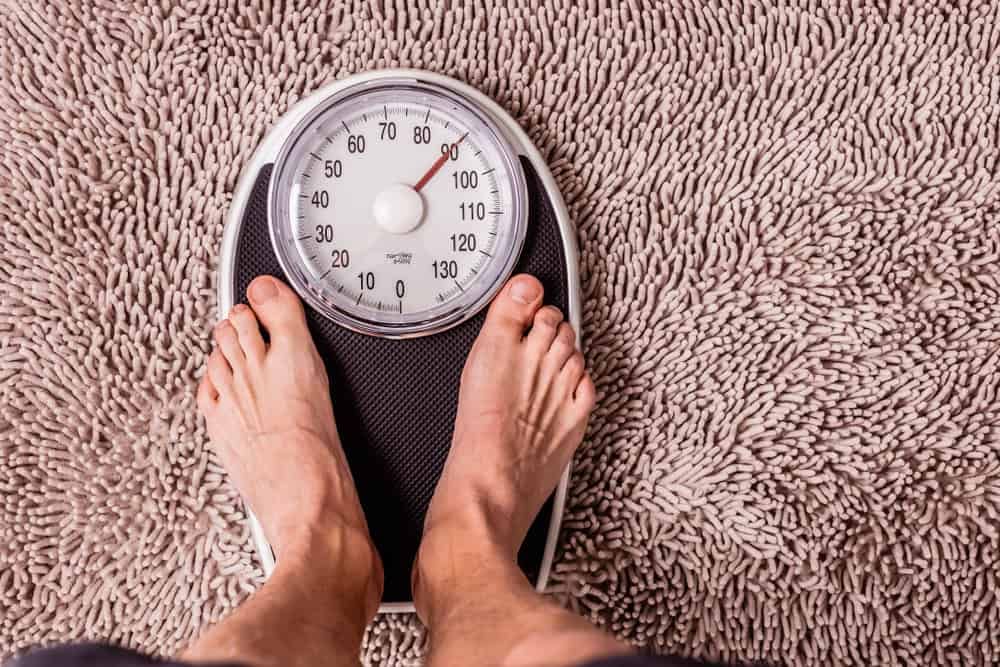
If you've been consistent for months but the scale hasn't budged, you might be experiencing a weight-loss plateau due to metabolic adaptation. Your body is smart; as you lose weight, it requires fewer calories to maintain function, and your metabolism naturally slows down to conserve energy. It "adapts" to your current routine and caloric intake.
To break this stall, you must introduce change: either significantly altering your workout intensity (e.g., using HIIT) or creating a stricter calorie deficit, or both.
7. Ruling Out Medical and Hormonal Factors
Sometimes, the lack of progress is beyond diet and exercise adherence. Underlying medical conditions such as hypothyroidism, unmanaged insulin resistance, Polycystic Ovary Syndrome (PCOS), or other hormonal imbalances can severely impede fat loss. If you feel you are genuinely doing everything right yet seeing no results over a long period, a professional medical consultation and health review is strongly recommended to identify and treat any underlying issues.
Science-Backed Tips to Break the Weight Loss Stall
- Track Calories & Macros Meticulously: Use an app or food journal to record everything you consume. Hidden calories derail progress far more often than people realize.
- Prioritize Strength Training: Lift weights or engage in resistance exercises 2-3 times per week to build lean muscle, which raises your resting metabolism.
- Optimize Sleep & Reduce Cortisol: Aim for 7–9 hours of quality sleep nightly. Integrate relaxation techniques or breathing exercises to lower stress hormone levels.
- Implement Periodization: Change your workouts every 4–6 weeks to prevent metabolic adaptation. Rotate resistance routines, change cardio styles, and incorporate High-Intensity Interval Training (HIIT).
- Ensure a Realistic Deficit: If the scale stalls, recalculate your Energy Expenditure (TDEE) and adjust your intake lower to re-establish a firm calorie deficit.
- Be Patient & Measure Holistic Progress: Weight loss is rarely linear. Focus on non-scale victories like increased strength, reduced body fat percentage, and improved clothes fit.
Final Takeaway: Consistency, Flexibility, and Patience
If you’ve been working out regularly without the desired weight loss, understand that the problem isn’t your dedication—it’s often that your body requires a shift in strategy. Losing weight is a complex equation involving diet, exercise quality, daily movement (NEAT), recovery, sleep, and hormones. By implementing these evidence-based strategies, you can make serious progress toward breaking free from your plateau. If you only remember three words, let them be: Consistency (taking action), Flexibility (not getting stuck in the same routine), and Patience (weight loss is not a race).
(The article is written by Deepa Sarkar, Medical Writer, and reviewed by Monalisa Deka, Senior Health Content Editor)
References
1.Gonzalez-Nahm S, Bhatti AM, Ames ML, Zaltz D, Benjamin-Neelon SE. A public health messaging campaign to reduce caloric intake: Feedback from expert stakeholders. J Nutr Educ Behav [Internet]. 2020;52(6):595–606. Available from: http://dx.doi.org/10.1016/j.jneb.2020.02.018.
Frequently Asked Questions on Weight Loss Stalls
Weight loss fundamentally relies on maintaining a consistent calorie deficit. If the calories you consume (often unknowingly, through hidden calories or inaccurate tracking) match or exceed the calories you burn, daily gym attendance will not result in weight loss.
Yes. Overtraining elevates levels of the stress hormone, cortisol. High cortisol can promote abdominal fat storage, increase water retention, cause fatigue, and interfere with the hormonal balance needed for efficient fat loss, ultimately stalling progress.
Diet is extremely important, accounting for approximately 70%–80% of weight loss success. Even a rigorous gym routine cannot successfully overcome a diet that is excessively calorie-dense or unbalanced in macronutrients.
Post a Comment for "Gym Regular, Scale Stuck: Why Your Hard Work Isn't Leading to Weight Loss (Science-Backed Solutions Inside)"